
Category: Uncategorized

Why Patients Choose Porcelain Veneers for a Natural Look
A veneer consultation starts with a structured clinical exam. Enamel thickness is measured, periodontal tissue is probed for bleeding, and radiographs are examined to determine root position and surrounding bone height. In discussions about porcelain veneers in North Andover MA, bite alignment is mapped to see how force travels from the front teeth into the supporting bone. Placement is appropriate only when the pulp is healthy, attachment levels are intact, and there is no active decay. Signs of infection, mobility, or bone loss must be addressed first so healing can occur before bonding is attempted.
What Makes Porcelain Veneers Look So Natural?
Natural enamel has internal prism layers that allow light to pass through and reflect off dentin. Porcelain can transmit light in a similar way when thickness and shade are calibrated to adjacent teeth. Shade selection occurs after examining gum margins, since inflamed or uneven tissue can distort the final appearance once swelling resolves.
Contour plays a mechanical role as well as an aesthetic one. Proper shaping directs bite pressure along the long axis of the root instead of concentrating stress at the incisal edge. Over-contoured surfaces can trap plaque at the gumline and increase the risk of gingival inflammation. During placement, contact points are refined, and occlusion is adjusted so force distribution remains balanced and the periodontal ligament is not overloaded.
Who Is a Good Candidate for Veneers?
Suitability depends on enamel quality, attachment health, and root support. Periodontal measurements confirm that the tissue surrounding the tooth remains stable and free from progressive breakdown. Radiographs help determine whether bone levels can sustain functional load.
Veneers are appropriate in situations such as:
- Deep intrinsic staining that whitening cannot change, provided the pulp remains vital
- Small enamel fractures that stop short of the nerve chamber
- Minor spacing where overall alignment is stable
- Limited surface wear from grinding, if occlusal forces are controlled
In cases where enamel integrity and periodontal attachment are adequate, dental porcelain veneers may provide structural coverage while preserving underlying tooth vitality. Reduced enamel thickness can limit bonding strength. Significant misalignment can place uneven pressure on restored surfaces and compromise retention. In those cases, orthodontic correction or alternative treatment may be more biologically conservative. Each decision is based on structural findings rather than appearance alone.
How Long Do Veneers Last?
Service life relates to marginal seal, oral hygiene, and force control. If gum recession exposes the margin between porcelain and enamel, bacterial accumulation can increase the risk of decay beneath the veneer. Routine examinations allow early detection of marginal breakdown, attachment loss, or changes in bone height.
Clenching transfers repeated stress through the crown into the root and surrounding ligament. Over time, that force can weaken cement or cause small fractures. An occlusal guard may reduce strain when grinding is present. Consistent plaque removal is essential because inflamed tissue around the margin can compromise attachment and shorten restoration lifespan.
Are Porcelain Veneers Permanent?
Preparation requires the removal of a thin enamel layer to create space for the restoration. Since enamel does not regenerate, the change cannot be reversed. After reduction, the tooth requires coverage for protection and function.
Sensitivity sometimes occurs after preparation because dentin becomes more sensitive to temperature changes. Symptoms are evaluated during follow-up visits. Persistent pulp inflammation is uncommon but requires further testing to determine whether endodontic therapy is necessary. Future replacement depends on how much enamel remains, the integrity of the bond, and the condition of the supporting bone at that time.
What Happens During the Veneer Process?
Treatment progresses through controlled clinical stages:
- Diagnostic Phase: Radiographs and digital scans are analyzed to confirm root health, bone height, and contact relationships. Bite forces are recorded to identify overload areas.
- Tooth Preparation: A measured enamel reduction is performed using precision instruments. Isolation prevents saliva contamination that could weaken adhesion.
- Provisional Stage: Temporary coverage protects exposed dentin while gum tissue settles and contours stabilize. Tissue health is rechecked before final bonding.
- Cementation Appointment: The enamel surface is conditioned to enhance micromechanical retention. The veneer is seated, excess resin is removed from the margins, and occlusion is verified to ensure balanced force transmission.
A short review visit confirms proper adaptation of gum tissue and stable bite contacts.
Is a Smile Makeover Worth It?
A veneer-based change is evaluated by weighing structural cost against aesthetic benefit. Enamel removal must be justified by durable improvement without increasing risk to pulp vitality or periodontal attachment. Teeth with reduced bone height, active inflammation, or unstable occlusion may not tolerate additional surface alteration.
Alternative methods can sometimes preserve a more natural structure. Direct bonding corrects small defects with less enamel reduction. Orthodontic movement repositions teeth so that the force is shared evenly across the arch. Discussion of cosmetic porcelain veneers centers on enamel thickness, bite harmony, and the patient’s ability to maintain plaque control.
Schedule Your Veneer Consultation Today
A comprehensive evaluation includes periodontal charting, radiographic review of bone and root integrity, and occlusal analysis to measure force distribution. Individuals searching for a dentist near North Andover MA, should expect a clear explanation of risks such as marginal leakage, pulp irritation, fracture under load, and possible gum recession before proceeding.
At North Andover Dental Partners, veneer planning is guided by measurable clinical findings, attachment health, and mechanical balance within the bite. Recommendations are made only when structural conditions support predictable healing and functional preservation.

Signs Of Poor Oral Health You Should Never Ignore
The importance of oral health goes beyond maintaining a clean smile. Your mouth often shows early signs of underlying dental concerns, many of which can worsen if left untreated. Changes in your teeth, gums, or overall oral comfort may indicate the need for attention.
Focusing on preventive dental care allows you to recognize these signs early and take appropriate steps to protect your oral health. Addressing concerns at an early stage can help prevent more complex dental issues over time.
Bleeding Gums During Brushing Or Flossing
Bleeding gums are often one of the first signs that something is not right.
- Gums can be prone to bleeding when brushing or flossing.
- This can be a sign of early gum inflammation
- It may develop due to plaque buildup along the gumline
Ignoring this symptom may allow gum issues to progress. Early care can help restore gum health and prevent further complications.
Persistent Bad Breath
Bad breath that does not go away with regular brushing may indicate an underlying issue.
- Caused by bacterial buildup in the mouth
- May be linked to gum problems or plaque accumulation
- Can persist even after brushing
Consistent oral hygiene and routine dental visits help manage this concern and support better oral freshness.
Red, Swollen, Or Tender Gums
Healthy gums should appear firm and pink. Changes in appearance or texture can signal a problem.
- Swelling or redness may indicate irritation
- Tender gums may be sensitive to touch
- These symptoms often develop gradually
Maintaining daily care and monitoring changes can help support healthier gums over time.
Tooth Sensitivity
Sensitivity to hot, cold, or sweet foods can be an early warning sign.
- May result from enamel wear
- It can occur when gums begin to recede
- Often affects daily comfort
Using gentle brushing techniques and seeking guidance can help manage sensitivity and protect your teeth.
Gums Pulling Away From Teeth
Gums that are receding reveal a larger portion of the tooth surface and can impact stability.
- Teeth may appear longer than usual
- Spaces may develop between teeth and gums
- This can increase the risk of further dental concerns
Early attention helps prevent progression and supports long-term gum health.
Loose Or Shifting Teeth
Teeth should feel stable and secure. Any movement may indicate an underlying issue.
- Teeth may feel loose or change position
- Bite alignment may feel different
- This can affect chewing and comfort
Changes in tooth stability should be evaluated promptly to prevent further complications.
Pain Or Discomfort While Chewing
Pain during chewing is often a sign that something needs attention.
- May be linked to decay or gum concerns
- It can affect your capability to eat comfortably
- Often worsens if not addressed
Early care can help identify the cause and restore comfort.
Plaque And Tartar Buildup
Visible buildup on teeth can increase the risk of oral health problems.
- Plaque forms daily and hardens into tartar
- Tartar cannot be removed by brushing alone
- Buildup may lead to gum irritation
Routine professional teeth cleaning helps remove hardened deposits and maintain a healthier mouth.
Changes In Bite Or Tooth Alignment
Subtle changes in how your teeth align together can indicate underlying concerns.
- Bite may feel uneven
- Teeth may shift over time
- Jaw discomfort may develop
Monitoring these changes helps detect potential issues early.
The Importance Of Early Action
Recognizing these signs early plays a key role in oral disease prevention. Many oral health problems begin with mild symptoms that can worsen if ignored.
Regular dental visits permit early detection and timely care. Preventive dentistry focuses on identifying concerns before they become more serious, helping maintain long-term oral health.
Supporting Your Oral Health Every Day
Following simple tips can help reduce the risk of developing these warning signs.
The benefits include healthier gums, stronger teeth, and improved comfort in everyday activities.
Awareness efforts like World Oral Health Day highlight the importance of paying attention to early signs and maintaining consistent care.
At North Andover Dental Partners, patients are encouraged to stay aware of changes in their oral health and seek preventive care to support long-term wellness.
FAQs
Common signs include bleeding gums, bad breath, and tooth sensitivity.
Bleeding gums may indicate irritation or early gum disease.
Preventive dental care focuses on avoiding dental problems through daily care and regular visits.
Most people benefit from professional teeth cleaning every six months.
Basic oral health tips include brushing, flossing, and maintaining regular dental visits.

Common Oral Surgery Procedures Explained for North Andover, MA Patients
Oral surgery can sound intimidating, but many procedures are routine and play an important role in maintaining long-term oral health. For patients seeking Oral Surgery in North Andover, MA, understanding what these procedures involve can ease anxiety and support informed decision-making. Oral surgery aims at diagnosing and treating conditions affecting the teeth, jaw, and surrounding tissues when non-surgical care is not enough. Knowing when surgery is recommended and how it supports overall dental health helps patients feel more prepared and confident.
What Oral Surgery Involves and When It Is Needed
Oral surgery covers a whole range of procedures designed to address structural, functional, and health-related dental concerns. These treatments are often recommended when infection, damage, or developmental issues affect areas that cannot heal on their own. Patients searching for oral surgery near me often do so because of pain, swelling, or difficulty eating or speaking. Oral surgery may be planned or performed urgently, depending mainly on the condition and severity of symptoms.
Tooth Extractions: Removing Damaged or Problematic Teeth
One of the highly common oral surgery procedures is tooth extraction. Extractions can be recommended when a tooth is severely decayed, infected, fractured, or when there is crowding surrounding teeth. In some cases, removing a damaged tooth helps prevent infection from spreading and protects nearby teeth and bone.
Surgical extractions differ from simple extractions and are often required when a tooth is impacted, broken below the gum line, or difficult to access. Careful planning ensures the procedure is performed safely while minimising discomfort and supporting proper healing.
Wisdom Tooth Removal and Jaw Health
Wisdom teeth generally do not have enough space to erupt properly. When these teeth become impacted or partially erupted, they can cause pain, swelling, and infection. Removing wisdom teeth is quite a common oral surgery procedure that helps prevent long-term complications such as crowding or damage to neighbouring teeth.
This type of surgery focuses on preserving jaw health and preventing repeated infections. Early evaluation allows dentists to recommend removal before problems become more serious or painful.
Treatment of Dental Infections and Abscesses
Infections that reach deep into the tooth or surrounding bone may require surgical intervention. Abscesses can cause severe discomfort and swelling and may impact overall health if left untreated. Oral surgery allows infected tissue to be removed and the area thoroughly cleaned.
Addressing infections promptly helps prevent the spread of bacteria and supports faster recovery. Surgical care is often combined with follow-up treatment to restore function and protect surrounding structures.
Corrective Jaw Procedures and Bite Alignment
Some patients experience jaw-related concerns that affect chewing, speaking, or facial balance. Oral surgery may be used to address jaw alignment issues or structural irregularities that interfere with daily function. These procedures are carefully planned using imaging and diagnostic tools to ensure precise outcomes.
Correcting jaw issues can improve comfort, reduce strain on teeth, and support long-term oral stability. Treatment timelines vary depending on complexity and individual needs.
Bone and Soft Tissue Procedures
Oral surgery may also involve procedures related to bone or soft tissue health. This includes treating areas affected by trauma, infection, or developmental conditions. Surgical care helps restore healthy tissue and maintain proper support for teeth and surrounding structures.
These procedures are often part of a broader treatment plan focused on restoring oral balance and preventing future complications.
What to Expect Before and After Oral Surgery
Preparation for oral surgery includes a thorough consultation, diagnostic imaging, and a discussion of the procedure. Patients are informed about what to expect, including anaesthesia options and recovery guidelines. Clear communication helps reduce uncertainty and allows patients to plan for healing time.
After surgery, following post-operative instructions is essential for proper recovery. This may include managing swelling, maintaining oral hygiene, and attending follow-up visits. Most patients return to normal activities gradually as healing progresses.
The Role of an Oral Surgeon in Your Care
An oral surgeon in North Andover is trained to manage complex dental and facial conditions that require surgical expertise. Their role includes diagnosis, treatment planning, and performing procedures with a major focus on safety and patient comfort. Oral surgeons work very closely with general dentists to secure continuity of care before and after surgery.
Professional evaluation ensures that surgery is recommended only when necessary and that all alternatives have been considered.
Understanding Different Oral Surgical Procedures
The term Oral Surgical Procedures covers a broad category of treatments, each designed to address specific dental concerns. From extractions to infection management and jaw corrections, these procedures support both function and long-term oral health. Understanding the purpose of each procedure helps patients feel informed and involved in their care.
Choosing the Right Provider for Oral Surgery
Selecting a dental provider experienced in oral surgery is an important step. At North Andover Dental Partners, patients receive coordinated care that prioritises education, comfort, and clear communication. Proper diagnosis and treatment planning help ensure surgical care supports long-term oral health goals.
Final Words
Oral surgery plays a vital part in addressing dental issues that cannot be resolved through routine care alone. By understanding common procedures and their purpose, patients can approach treatment with greater confidence. Whether surgery is planned or urgent, informed care decisions help protect oral health, comfort, and overall well-being for years to come.

Why More Patients Are Choosing a Cosmetic Dentist Today
Cosmetic dental care is designed to upgrade the look of your teeth while keeping their health and function in mind. Many patients want teeth that look as good as they feel, without looking “worked on.” When you visit a cosmetic dentist in North Andover, MA, the goal is to blend science and artistry so your teeth look natural, healthy, and aligned with your personality and lifestyle.
What Modern Cosmetic Dentistry Can Do
Today’s cosmetic care is about more than just “movie star” smiles. It can address common concerns like chipped edges, dark fillings, uneven spacing, and worn enamel.
Typical cosmetic dentistry services include teeth whitening, bonding, veneers, tooth colored fillings, and contouring of teeth or gums. Many of these procedures are conservative, meaning your dentist removes very little natural tooth structure while still creating a noticeable improvement in your smile.
Patients often appreciate that cosmetic treatment can be phased over time. You might start with whitening, then later add bonding or veneers as your needs and budget allow.
Cosmetic Dentistry Benefits At A Glance
- Brightens teeth that are stained or discolored
- Smooths chips, cracks, and worn edges
- Closes small gaps or evens out alignment in select cases
- Replaces dark metal fillings with tooth colored materials
- Helps smiles look younger and more refreshed
These changes can support social confidence, comfort at work, and ease in photos, while still keeping your teeth functional and easy to clean.
Why More People Are Asking For A Cosmetic Dentist
Many adults reach a point where their teeth are healthy, but do not match how they feel on the inside. They may be happy with their career, family, and lifestyle, yet still hide their smile in pictures.
A visit to a cosmetic dental clinic gives you a chance to talk about what bothers you when you look in the mirror. Some patients want a dramatic makeover, but many simply want a few thoughtful refinements that make everyday smiling feel easier.
Digital photos, shade guides, and mock-up techniques allow your dentist to show possible outcomes before you commit, which helps you make informed choices that fit your comfort level.
How Cosmetic Treatment Is Planned And Customized
Cosmetic care always starts with a thorough exam. Your dentist checks your teeth, gums, and bite to be sure any underlying issues are addressed first. Healthy foundations are important, so cosmetic work will last.
Next comes a detailed conversation about your goals. You might talk about:
- Which teeth do you like and want to keep similar
- What you wish were different, such as color or shape
- How quickly do you hope to see results
- Budget and timing considerations
From there, your dentist outlines a plan that may include one or several steps. If you search for a cosmetic dentist near me, you will find that many offices offer flexible scheduling and financing so you can pace treatment in a way that feels realistic.
Confidence, Function, and Oral Health
Cosmetic treatment is not only about appearances. Well-planned changes can also support function and long-term health. Smoothing rough edges, reshaping worn teeth, or correcting small alignment issues can sometimes make cleaning easier and reduce areas where plaque collects.
Your dentist will always balance how things look with how they feel. The goal is a smile that looks natural when you talk and laugh, fits your facial features, and allows you to bite and chew comfortably.
For families, choosing one office that provides cosmetic options and general care can be helpful. An office that combines cosmetic dentistry services with ongoing preventive care is well-positioned to watch your progress and maintain your smile over the years.
When To See A Dentist
Consider scheduling a cosmetic consultation if you:
- Avoid smiling in photos or cover your mouth when you laugh
- Notice stains that do not improve with regular brushing
- See chips, uneven edges, or old dental work that stands out
- Have small gaps or minor crowding that bother you
- Feel that your teeth make you look older than you feel
A consultation does not commit you to treatment. It simply gives you clear information and options so you can decide what, if anything, you would like to change.
FAQs
Final Thoughts
More patients are exploring cosmetic care because they want smiles that reflect how they feel inside: confident, energetic, and approachable. Modern techniques make it possible to refresh your teeth in ways that still look natural and respectful of your health. If you are curious about what is possible for your own smile, the team at North Andover Dental Partners can help you review options, set priorities, and move toward results that feel right for you.

How Bacteria From Gum Disease Can Travel to the Heart
Many people think oral health concerns only the teeth and gums. In reality, the mouth is closely connected to the rest of the body. When gum tissue becomes infected, harmful bacteria can enter the bloodstream and trigger inflammation beyond the mouth. Dentists monitor gum health closely during routine exams because early care, and when needed, gum disease treatment, can help control infection and support overall health.
Understanding What Happens in Gum Disease
Periodontal disease is an ongoing infection that affects the gums and can gradually compromise the support around the teeth. It often begins when plaque builds up along the gumline and is not removed effectively. Over time, the gums may become red, swollen, tender, or more likely to bleed during brushing and flossing.
In the early stage, symptoms may seem minor. Some people notice light bleeding or mild sensitivity and assume it will resolve on its own. From a clinical perspective, these early changes should not be ignored. A dental evaluation helps identify infection early and supports timely care before deeper tissues and bone are affected.
How Oral Bacteria Can Reach the Heart
Healthy gums form a protective barrier that helps keep oral bacteria from entering the bloodstream. When the gums are inflamed or infected, that barrier weakens. Small openings in the tissue can allow bacteria to enter the bloodstream during normal activities such as brushing, flossing, or chewing.
Once bacteria circulate through the body, the immune system responds with inflammation. The greater concern is not a single exposure, but repeated or ongoing infection. Persistent inflammation can place added stress on the body over time. This is why dentists view gum health as part of a patient’s overall health rather than as an isolated issue.
Why This Connection Matters for Overall Health
As concerns about inflammation and heart health grow, many people begin to wonder how serious gum disease is for your overall health. Research continues to explore the relationship between gum infection and heart health, but the mouth-body connection is well recognized in clinical care.
Gum disease does not mean a person will develop heart disease. However, infected gums can increase the body’s inflammatory response, potentially affecting overall health. A dentist-led preventive approach focuses on reducing bacterial buildup, calming inflammation, and protecting the tissues that support both oral and general health.
Warning Signs You Should Not Ignore
Early symptoms are often easy to overlook, especially when they do not cause pain. Recognizing changes in the gums early can help prevent the condition from becoming more serious.
Common gum disease symptoms include:
- Red or swollen gums
- Bleeding during brushing or flossing
- Gum tenderness
- Receding gums
- Loose teeth in advanced stages
Patients also ask whether persistent odor may be linked to gum problems. One of the common bad breath causes is bacteria collecting below the gumline, which brushing alone cannot reach.
Prevention Depends on Daily Care and Routine Exams
During routine visits, patients often ask how to prevent gum disease before early gingivitis becomes more serious. Daily brushing, consistent flossing, and routine dental cleanings work together to limit plaque buildup and protect the gums from infection.
Routine exams are equally important. During these visits, a dentist evaluates the gums, checks for bleeding or pocket depth, and identifies early signs of inflammation. Preventive care works best when daily habits and professional monitoring are maintained together over time.
When Professional Treatment Becomes Necessary
If infection has already spread below the gumline, professional care may be needed to remove plaque and bacteria from areas that cannot be reached at home. Early treatment may include deep cleaning procedures and ongoing maintenance to support healing and reduce inflammation.
When bleeding, gum recession, or tenderness continue, some people start looking for a periodontist near me before they realize how much gum health can affect overall wellness. It often reflects the need for a more detailed evaluation of the gums and supporting bone. Seeking care at this stage can help prevent further damage and improve long-term outcomes.
Why Early Care Supports Long-Term Health
Gum infections can become more serious when left untreated. As inflammation continues, the tissues around the teeth may weaken, and bacterial levels in the mouth may increase. Early care helps limit progression and supports healthier gum tissue over time.
Professional periodontal care also helps reduce chronic inflammation. From a clinical perspective, this matters because oral inflammation is not only a local concern. It can influence the body’s overall response. Addressing gum disease early is an important step in maintaining both oral stability and general health.
Final Thoughts
The connection between the mouth and the body is well established. When gums are infected, bacteria can enter the bloodstream and trigger inflammation beyond the mouth. While gum disease is only one factor in overall health, maintaining healthy gums plays an important role in prevention.
Paying attention to early symptoms, attending routine dental exams, and seeking timely care can make a meaningful difference. At North Andover Dental Partners, patients are encouraged to view gum health as an essential part of protecting their overall well-being.

Protect Your Smile: A Complete Guide to Today’s Mouth Guards
Introduction
Mouth guards play an important part in protecting your teeth, jaw, and soft tissues from daily wear, nighttime grinding, and sports-related impact. Many patients looking for mouth guards in North Andover want something that fits comfortably, stays in place, and offers dependable protection no matter what their day looks like. Because today’s materials are lighter and more advanced, a well-made mouth guard can make a noticeable difference in how your teeth and jaw feel. Understanding the different types available—and knowing how to choose and care for one—can help you find the right level of protection for your needs.
Understanding the Different Types of Mouth Guards
Not all mouth guards are created the same. Each type offers a different level of comfort and protection, so it helps to know what makes them unique.
1. Stock (Pre-Made) Mouth Guards
Stock guards come pre-shaped and ready to use right out of the package. They’re affordable and easy to find, which is why many people buy them as a quick fix.
Pros:
- Low cost
- Widely available
Cons:
- Bulky and uncomfortable
- Minimal protection
- Difficult to speak or breathe with
These guards may get you by in a pinch, but they rarely fit well enough to offer the protection most patients need.
2. Boil-and-Bite Mouth Guards
Boil-and-bite guards soften in hot water before you bite into them to create a semi-custom fit.
Pros:
- Better fit than stock guards
- Affordable
- Common choice for recreational sports
Cons:
- Fit is still not exact
- Thicker than custom-made options
- Wear down faster
They’re an improvement over stock guards but still limited by their one-size-fits-most design.
3. Custom Mouth Guards
Custom guards are designed and fabricated by your dentist using impressions or digital scans. This creates a guard that fits your teeth and bite with much greater precision. Many patients prefer custom mouth guards because they feel more comfortable and offer stronger protection.
Pros:
- Snug, secure fit
- Maximum protection
- Less bulk
- Easy to speak and breathe with
- Made from durable materials
- Help prevent dental injuries and jaw strain
Cons:
- Higher initial cost, but longer-lasting
Custom guards are the preferred choice for athletes, nighttime grinders, and anyone who needs reliable, personalized protection.
Why Mouth Guards Matter: Benefits You Should Know
A good mouth guard does more than shield your teeth. It can protect your jaw, prevent chronic discomfort, and reduce the risk of major dental injuries.
1. Protects Teeth from Injury
Whether from sports, falls, or grinding, strong forces can lead to:
- Chips
- Cracks
- Nerve damage
- Tooth loss
A mouth guard absorbs impact, giving your teeth and jaw an added layer of protection.
2. Reduces Wear from Grinding
Nighttime grinding can slowly wear down your enamel. It can also trigger headaches, jaw pain, and cracked teeth. A custom night guard places a protective buffer between your upper and lower teeth, thus reducing pressure and preventing further damage.
3. Supports Jaw Alignment
Clenching puts stress on the jaw joint (TMJ). A well-designed night guard can ease that strain and help keep the jaw in a more comfortable position throughout the night.
4. Helps Prevent Soft Tissue Injuries
A mouth guard protects the soft tissues in your mouth—your lips, cheeks, tongue, and gums—by preventing accidental biting and cushioning sudden movements.
5. Better Confidence for Athletes
Athletes often feel more secure wearing a properly fitting guard, especially during high-contact or fast-paced activities. Comfort and peace of mind go a long way toward better performance.
Selecting the Right Mouth Guard for Your Needs
The best choice depends on your habits, comfort preferences, and lifestyle.
For Sports
A thicker, shock-absorbing custom guard is ideal for anyone involved in contact or high-movement sports.
For Nighttime Grinding
A slim, durable custom night guard offers relief for grinders without feeling bulky or intrusive.
For TMJ Concerns
Some patients benefit from a more specialized guard designed to reduce jaw strain or encourage a healthier bite position.
If you’re unsure what you need, your dentist can examine how your teeth come together, review your dental history, and help you choose the most effective option.
How to Care for Your Mouth Guard
Taking care of your mouth guard keeps it clean, comfortable, and long-lasting.
Daily Care
- Rinse before and after each use
- Brush gently with mild soap
- Allow it to air-dry fully
- Store in a ventilated case
Avoid These Mistakes
- Don’t use hot water—it can warp the guard
- Don’t chew on the edges
- Don’t expose it to direct sunlight
- Don’t clean with bleach or alcohol
When to Replace It
Replace your guard if it becomes:
- Cracked
- Misshapen
- Loose
- Difficult to clean
- Uncomfortable
Most guards last one to five years, depending on how often you wear them and the quality of the material.
Finding Mouth Guards Near Me
Patients searching for mouth guards near me typically want a guard that fits well and feels comfortable from the start. Choosing a dentist who uses high-quality materials, modern scanning technology, and personalized fit adjustments helps ensure your mouth guard protects you properly and holds up over time.
Why See a Dentist in North Andover MA?
Seeing an experienced dentist in North Andover MA ensures your mouth guard is custom-fitted and designed around your unique bite. A dentist can also check for wear over time, make adjustments when needed, and ensure the guard continues to support your long-term oral health.
Final Words
A well-fitted mouth guard is an investment in your health, helping protect your teeth, jaw, and soft tissues from avoidable damage. Whether you need protection for sports, nighttime grinding, or jaw comfort, choosing the right type of guard—and caring for it properly—keeps your smile safe and comfortable for years to come. For personalized guidance and custom-fit options, North Andover Dental Partners offers trusted, patient-focused solutions designed to meet your needs.
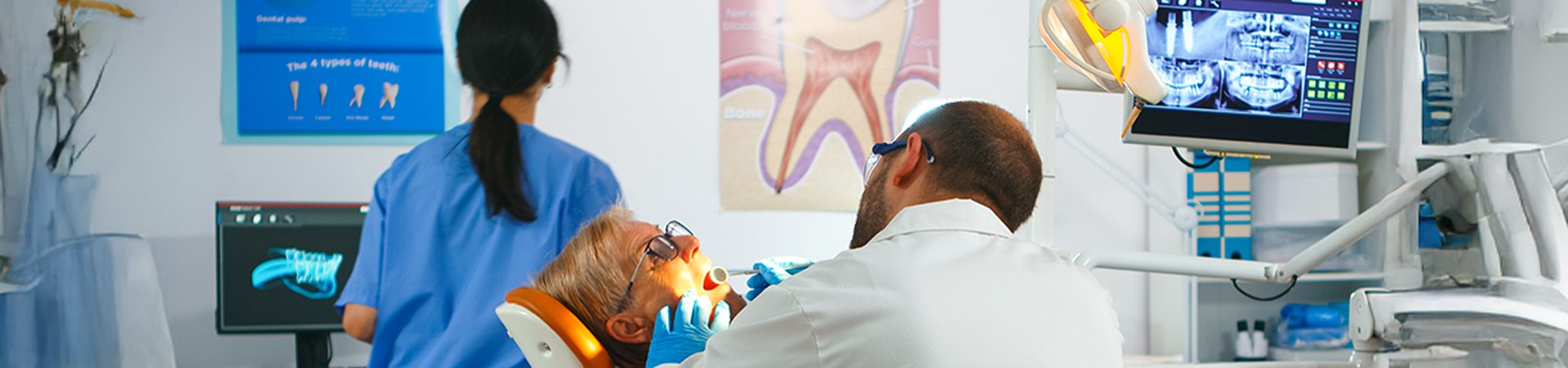
Save Your Natural Tooth with Root Canal Therapy in North Andover, MA
A deep ache wakes you at night. Cold water stings. You want relief and a plan that saves your tooth. You can get both with root canal therapy in North Andover, MA. This guide explains why saving the tooth matters, what happens at each visit, how to stay comfortable, and how to heal quick with simple, proven steps.
Why saving your natural tooth matters
Your natural tooth gives you strength, balance, and confidence. When you keep the root in place, your jaw stays supported and your bite stays even. You chew with ease. You speak clearly. You also avoid shifting that follows an extraction. A root canal keeps the tooth on the job and stops the infection that caused the pain.
You also protect your budget. A saved tooth often needs only a well-made crown after the procedure. That single path usually costs less than replacing a lost tooth later. Bridges and implants work well, but they add steps, time, and money. When a root canal can save the tooth, the simplest path often serves you best.
Signs you may need a root canal
Tooth pain can change from a quick twinge to a steady throb. You may feel pressure when you bite. Heat may linger after coffee. Cold may linger after ice water. You might see a pimple on the gum or feel swelling in one spot. You might notice a bad taste that returns each day.
Watch for these signals and call if you notice them:
- Pain that wakes you or keeps you from eating
- Sensitivity that lingers more than a minute
- A darkening tooth or a chip that exposes yellow dentin
- Swelling or a pimple on the gum near one tooth
- Pain when you tap or chew on a single spot
When these signs show up, quick care protects the nerve, the bone, and the surrounding teeth. Early action also shortens your path to comfort.
What happens during the appointment
Clarity calms fear. Your dentist starts with a focused exam and a 3D image or precise digital X-rays. You review what the image shows. You discuss options, costs, and timing. You agree on the plan and move forward the same day if time allows.
Your dentist numbs the tooth and the gum. You relax in the chair. A small shield keeps the tooth clean and dry. Your dentist opens the top of the tooth, cleans each canal, and shapes the space for a snug seal. Your dentist rinses the area, dries it, and fills the canals with a biocompatible material. A strong temporary or a core build-up protects the tooth until the final crown.
When you hear about RCT treatment, think of simple steps with a clear goal. Your dentist extracts the source of the pain, seals the canals, and restores strength so you can chew comfortably again.
How to choose the right local provider
Experience matters. You want a dentist who performs root canals often and explains details clearly. You also want an office that respects your time, offers same-day relief when possible, and coordinates your crown quickly. Reviews help, but a calm, well-organized consult tells you more than any star rating.
When you search for root canal therapy near me, look for digital imaging, rubber dam use, modern files, and strong follow-up. Ask about emergency access, weekend options, and crown timelines. Choose a team that writes every step down and gives you a direct number for quick questions.
If you prefer one home for cleanings, exams, and endo care, consider our dentist in North Andover, MA, who coordinates everything under one roof. One team reduces delays and helps you finish treatment on schedule.
Common questions patients ask
Your dentist numbs the area completely. Most patients feel pressure, not pain.
Many cases finish in one visit. Complex roots may need a second visit.
Most back teeth need crowns after a root canal. Front teeth may need a crown or a strong filling, depending on the bite.
With a quality root canal, a good seal, and a well-made crown, the tooth can last for many years.
Many patients return to routine tasks the same day. Plan soft foods and avoid hard chewing on the treated side until the crown seats.
Final Thoughts
You can save your tooth, stop the ache, and return to normal life with a clear plan and a skilled team. You can finish treatment on time and protect the result with simple daily care. For personal guidance, transparent costs, and a calm chairside experience, schedule your consultation with North Andover Dental Partners and take the very first step toward a strong, pain-free smile today.

Brighten Your Smile: The Complete Guide to Teeth Whitening in North Andover
A confident smile can change the way you feel and how others see you. But yellow or stained teeth often get in the way. Coffee, tea, red wine, and even age can dull your natural shine. The good news? You don’t have to live with it. By going to a provider offering teeth whitening in North Andover, MA, you can bring back a smile that feels fresh and vibrant.
Everyday Habits That Cause Yellow Teeth
It’s not just about brushing and flossing. Some daily choices play a big role in tooth discoloration:
- Coffee and tea: dark pigments cling to enamel.
- Red wine: tannins make stains more stubborn.
- Smoking: Nicotine turns teeth yellow or brown.
- Aging: enamel thins, revealing darker dentin beneath.
Knowing the causes is the first step to a brighter smile.
At-Home Whitening vs. Professional Care
You’ve likely seen whitening strips and DIY kits in the store. While they can help a little, the results rarely last. Professional care offers:
- Stronger whitening agents for noticeable change.
- Faster results—sometimes in just one session.
- Safer treatment under expert supervision.
When you want real results, visiting a teeth whitening clinic or a dental clinic offering such a service makes all the difference.
Why Choose Zoom Teeth Whitening
One of the most trusted methods today is Zoom teeth whitening. It works by using a special light that activates a whitening gel on your teeth. Here’s what makes it stand out:
- Dramatic results—up to eight shades lighter in one visit.
- Minimal sensitivity with advanced formulas.
- Quick treatment that fits into a lunch break.
Many patients love it because they walk out smiling brighter the very same day.
How Long Do Results Last?
A bright smile doesn’t have to fade quickly. With the right care, whitening can last for months—or even years. Tips to extend results include:
- Use a straw when drinking dark beverages.
- Brushing after meals to prevent stain build-up.
- Scheduling touch-up treatments as recommended.
What to Expect During Treatment
If you’ve never tried professional whitening before, here’s a simple look at what happens:
- Your teeth and gums are prepared for safety.
- Whitening gel is applied to the enamel.
- A special light activates the gel for fast results.
- After 15–20 minutes, the gel is taken off or removed, and the process is repeated until your smile reaches its new shade.
The whole visit is usually under an hour.
Finding the Right Dentist
Choosing the right provider matters as much as the treatment itself. A trusted dentist near you can assess your needs, clarify the process, and ensure you’re comfortable. The team at North Andover Dental Partners takes pride in offering safe, effective care that’s customized to your smile.
Conclusion
You don’t have to hide your smile or feel self-conscious about stains. Professional teeth whitening near you can restore confidence and help you shine in every moment. Schedule your appointment with North Andover Dental Partners today and take the first step toward a brighter, more radiant smile.
FAQs
Whitening only works on natural teeth. Your dentist can guide you on options to ensure your crowns or veneers blend with your natural smile.
Most dentists will advise people to wait until at least 16, when permanent teeth are fully developed. Adults of any age can benefit from whitening treatments.
Some patients experience temporary sensitivity. This usually fades quickly, and your dentist can provide desensitizing options to keep you comfortable.
It depends on your habits. Many patients schedule touch-ups once or twice a year to maintain a bright, healthy-looking smile.

The Role of Tooth Extractions in Orthodontic Treatment
Tooth extractions often sound alarming, but in orthodontics, they can be a smart and necessary step. When overcrowding affects alignment, removing select teeth creates space for a healthier, straighter smile. Think of it as clearing the way for lasting results. In many cases, a small change leads to a big improvement in both function and appearance.
Common Orthodontic Issues That May Require Extractions
Certain dental conditions may make tooth removal a helpful step. These include:
- Crowding: Too many teeth and not enough space
- Protrusion: Front teeth stick out, risking damage or bite issues
- Midline shift: The centers of the upper and lower teeth don’t line up
- Overbite or underbite: Jaws don’t align properly
- Impacted teeth: Teeth stuck below the surface, often due to a lack of room
In these cases, extractions can clear the way for healthy alignment. Removing a few teeth gives the rest of your mouth a chance to settle into a natural, stable position.
Which Teeth Are Usually Extracted and Why?
Not all teeth are developed equal when it comes to extraction. Orthodontists usually focus on specific ones that impact alignment the most.
Commonly extracted teeth include:
- First premolars (bicuspids): Located behind the canines; often pulled to relieve crowding
- Second premolars: Used when smaller adjustments are needed
- Wisdom teeth: These often erupt late and cause crowding or discomfort
If you’re wishing to get wisdom tooth removal near you, it’s not only about creating space—it’s also about avoiding future problems. When wisdom teeth don’t have enough room to grow in, they can shift other teeth out of position and cause discomfort or crowding. Removing them early can help protect your overall alignment and long-term dental health.
When teeth are selected for removal, your orthodontist plans carefully. They consider root structure, symmetry, and how your bite will function long-term.
The Extraction Process in the Context of Orthodontics
Getting a tooth removed sounds intimidating, but it’s more straightforward than most people expect. If your orthodontist recommends extraction, here’s what usually happens:
- Consultation and X-rays: Your provider takes time to study your teeth and make sure extractions are the right move.
- Numbing the Area: A local anesthetic ensures you don’t feel pain during the procedure.
- Gentle Removal: With the area numbed, your dentist removes the tooth with precision.
- Aftercare Instructions: You’ll get simple steps to help the area heal fast.
If you’re looking for dental offices offering tooth extractions near you, it’s helpful to find a practice experienced in working closely with orthodontists. Timing matters. Teeth often need to come out just before or during braces treatment to maximize movement and results.
Potential Benefits of Extraction-Based Orthodontics
While no one lever wishes to losing a tooth, the benefits can be big. With the right plan, extractions can lead to:
- Better alignment: Teeth have space to move to their proper positions
- More balanced profile: In some cases, removing teeth can reduce a “full” look in the face
- Improved oral health: Easier to clean, well-aligned teeth
- Fewer complications down the line: Avoid problems caused by crowded or misaligned teeth
Risks and Considerations
Like any medical decision, extractions come with things to think about. But when handled by professionals, risks stay low.
What to be aware of:
- Mild discomfort: Some soreness after removal is normal
- Temporary gaps: Spaces where teeth were pulled may show until treatment progresses
- Healing time: Gums need time to settle before braces can do their work
Talk openly with your orthodontist. Ask questions. Share concerns. They’ll walk you through everything, step by step.
The good news? Modern techniques make this process smoother than ever. If you’re considering getting tooth extractions in North Andover, MA, choosing a team that focuses on patient comfort makes all the difference.
Final Thoughts
Tooth removal in orthodontics isn’t about loss; it’s about making room for lasting results. At North Andover Dental Partners, we’re here to support your path toward a healthy, balanced smile. Ready to take the next step? Schedule your consultation today and let’s talk about what’s best for your unique smile. Your comfort and confidence are always our priority.

Step-by-Step: What Happens During a Crown Lengthening Procedure?
Crown lengthening might sound complex, but it’s a straightforward dental procedure that can transform both your smile and oral health. Whether it’s done to fix a damaged tooth or enhance how your gums look, knowing what happens during the process helps ease nerves. In this blog, we’ll break it down step-by-step so you feel fully informed and prepared.
1. The Purpose of Crown Lengthening: When and Why It’s Recommended
Crown lengthening might sound like a purely cosmetic thing, but it’s actually used for several important dental reasons.
Here’s when dentists typically recommend it:
- To treat decay below the gum line: If a cavity reaches beneath your gums, a dentist may need to expose more of the tooth to treat it properly.
- For broken or worn-down teeth: Sometimes, teeth break at or near the gum line, and more surface area is needed for restoration.
- To prepare for crowns or fillings: If there isn’t enough tooth visible above the gum, this procedure allows secure placement.
- To reduce a “gummy smile,” Some people show more gum than teeth when they smile. Crown lengthening can improve the balance between teeth and gums.
It’s not just about looks—your bite, ability to clean your teeth, and future restorations can all benefit. Every patient is different, so a proper dental evaluation is key before moving forward with teeth lengthening.
2. Pre-Procedure Planning: Evaluation and Preparation
The first part of the journey takes place before you even sit in the dental chair for surgery.
Here’s what typically happens:
- Consultation and exam: The dentist checks your teeth, gums, and overall health to see if you’re a candidate.
- X-rays and impressions: These help evaluate bone levels and tooth structure beneath the gums.
- Medical history review: If you take blood thinners or have health conditions, these will be discussed for safety.
- Treatment plan: Your dentist outlines which teeth are involved, the amount of gum to remove, and whether bone will need reshaping.
- Before-surgery instructions: You may be told to avoid aspirin, arrange a ride home, or stop smoking for better healing.
During this phase, clear communication with your dental team makes all the difference. Bring your questions and be honest about your comfort level. If you’re searching for crown lengthening near you, be sure to check for patient reviews and experience.
3. The Crown Lengthening Procedure: What Happens in the Chair
On the day of your procedure, things move quickly. But knowing what really to expect can help ease any nerves.
Here’s how it typically goes:
- You’ll be numbed: Local anesthesia ensures the area is completely pain-free. Sedation is sometimes used for added comfort.
- Step-by-step process:
- The dentist gently pulls the gum tissue away to access the tooth and bone.
- A small amount of bone may be removed to expose more of the tooth.
- The gum is repositioned and sutured to create a new, higher gum line.
- Duration: The whole thing usually takes 45 minutes to an hour, depending on how many teeth are treated.
- Comfort: You’ll feel pressure, not pain. Your dental team will check on you throughout to make sure you’re doing okay.
Most people are surprised at how quick and simple the experience is. Recovery starts as soon as you’re done.
4. Post-Operative Care: Recovery and Healing Timeline
Healing well depends on good aftercare. Fortunately, recovery is straightforward when you follow instructions closely.
Expect the following after your procedure:
- Initial symptoms: Mild swelling, bleeding, and soreness are normal. You’ll receive gauze and detailed care steps.
- Care tips:
- Use ice packs to reduce swelling.
- Stick to soft foods for a few days—think smoothies, eggs, and yogurt.
- Avoid brushing the surgical site, but keep the rest of your mouth clean.
- Take any prescribed pain meds or antibiotics exactly as instructed.
- Follow-up: Sutures may be removed in a week. Your dentist will check the healing and provide updates.
Gums usually heal within 7–14 days, but full recovery—including bone and tissue stabilization—may take several weeks. Don’t rush the process. If you’re getting crown lengthening in North Andover, MA, your local provider will monitor progress and let you know when you’re ready for the next step.
5. Results and Next Steps: When You Can Proceed with Crowns or Other Treatments
Once your mouth has healed, you’ll start to see the real payoff.
Here’s what to expect going forward:
- Timing of crowns or veneers: Your dentist typically waits 6–8 weeks (sometimes longer) before placing a permanent crown or veneer.
- Why the wait? Gums need time to settle into their new position. This ensures restorations fit well and look natural.
- Results: Most patients notice a more balanced smile and easier cleaning between teeth. Crowns or bridges are more secure thanks to the extra tooth exposure.
- Long-term outlook: With good oral hygiene, results are permanent. Brush carefully, floss daily, and visit your dentist regularly.
Taking this step can improve both how your smile looks and how your mouth functions.
Final Thoughts
Crown lengthening isn’t just a dental procedure—it’s a confidence booster and a foundation for long-lasting oral health. From diagnosis to healing, every step matters. If you’re ready to explore whether this procedure is right for you, trust North Andover Dental Partners to guide you with care and expertise.
Book your consultation today and discover how crown lengthening can bring out your best smile.